Ketu - The Mystical Gatekeeper of Liberation
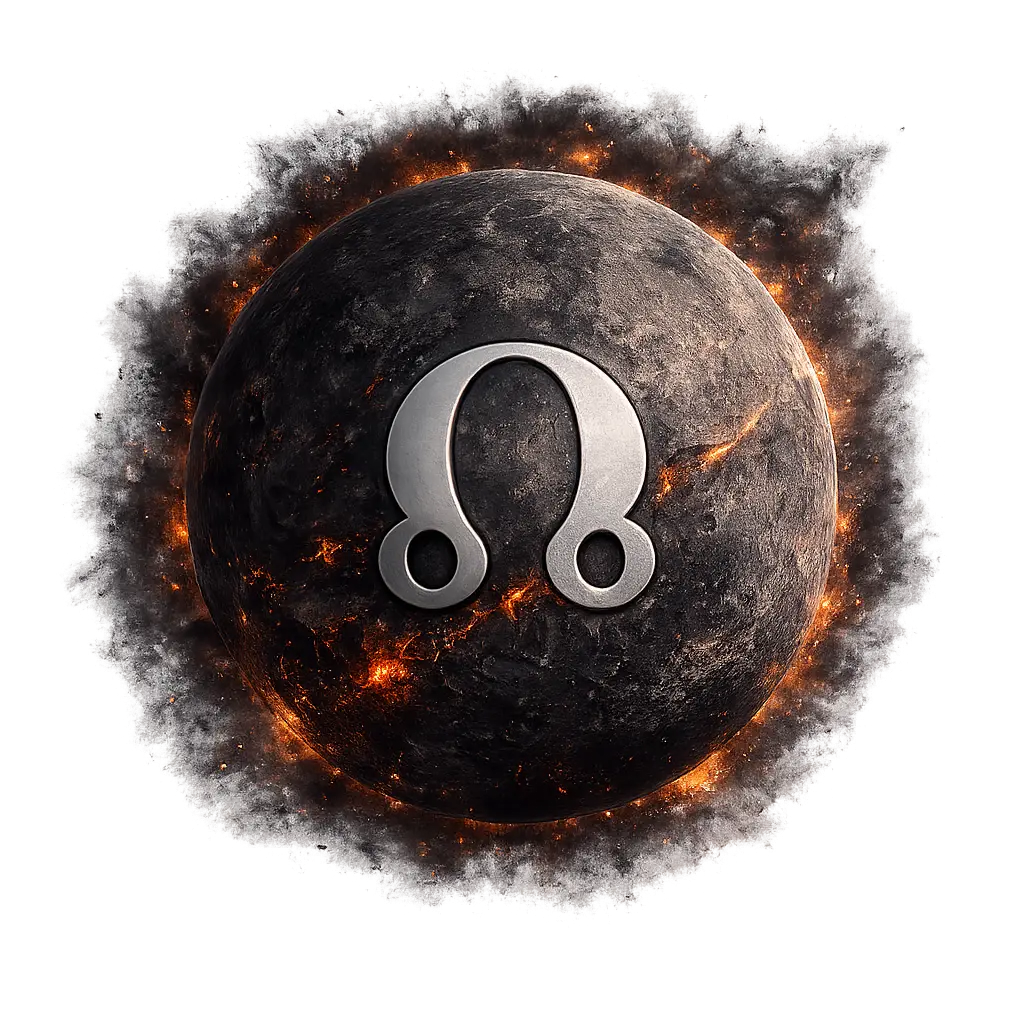
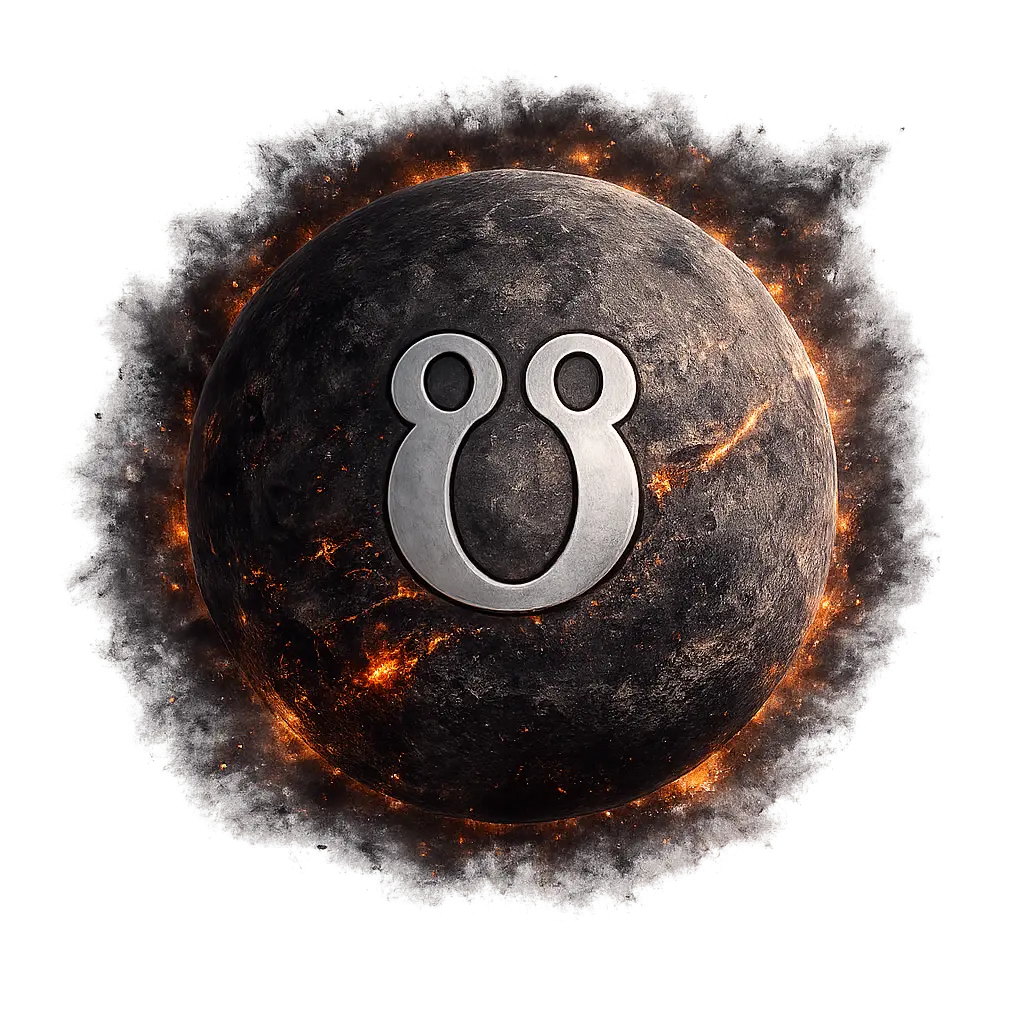
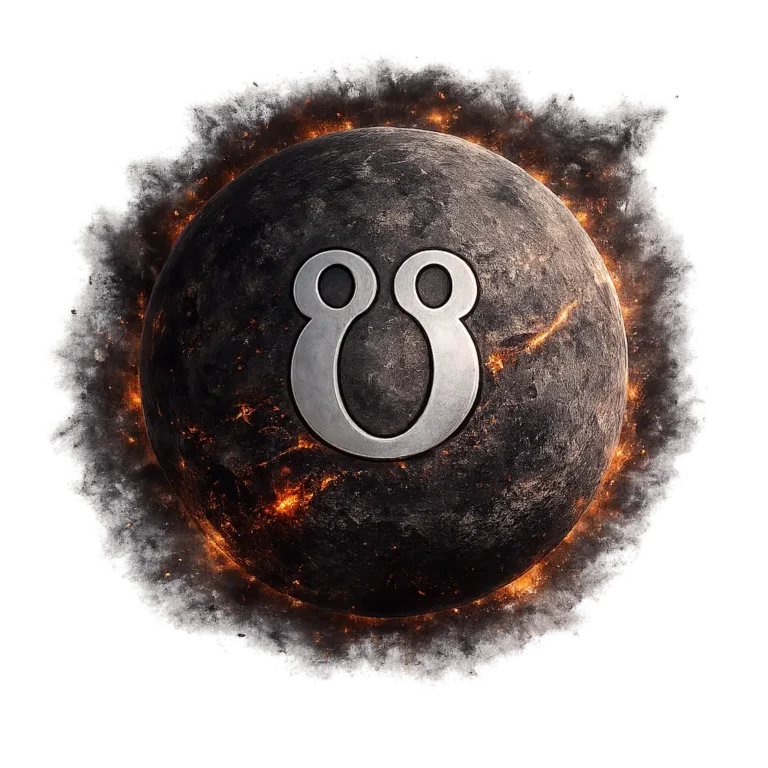
In the heavens of Vedic Astrology, Ketu is the highest and most profound of all forces and is one of the least understood, and for good reason. Like Rahu, Ketu is also a Chhaya Graha or “shadow planet.” It is not a physical body of the Moon but rather a sensitive mathematical point where the Moon’s path crosses the ecliptic.
Rahu is called “Dragon’s Head” and represents our future desires and wealth. On the other hand, Ketu is the “Dragon’s Tail” and represents past life “impressions” and the ultimate goal of spiritual liberation.
Ketu is a moksha karaka or a “significator of liberation”. Ketu’s essential meaning expresses the power of letting go.
If Rahu is the movement of “air” of all things, Ketu is the movement of “water” of letting go. It’s represented as a headless body, which means it doesn’t work through the logic of your head or the desire of your five senses.
Ketu works on feelings of intuition around karmic records in conjunction with feelings of detachment. It is the planet of the Sanyasi (the monk) and the Gyani (the person with complete knowledge of spiritual truth).
To understand Ketu’s energy, you have to understand that spiritual freedom does not come from having or owning, but rather, through the realisation that you already have everything that you need to be complete.
Core Identity
The identity of Ketu is silent. The core energetic identity of Ketu is the South Node of the Moon, which connects it to the past, to our past lives, and to the worst parts of ourselves.
Attribute | Detail |
Sanskrit Name | Ketu / Shikhi / Dhwaja |
Gender | Neuter |
Element (Tattva) | Fire (Agni) |
Guna | Tamas |
Ruling Zodiac | Co-rules Scorpio (Vrishchik); strong in Sagittarius and Pisces |
Exaltation Point | Scorpio / Sagittarius (varying traditions) |
Debilitation Point | Taurus / Gemini (varying traditions) |
Typically, Ketu is considered to be Tamas Guna or “darkness” because it represents the “end” of things and the unknown.
However, Ketu is a fire element, but rather an “inner fire” of introspection or asceticism. As Ketu is said to be “headless,” he is also unpredictable and adds rapidity to Earth’s material world.
Ketu is referred to as “Kuja-vat”, which means he behaves like Mars. He also has the sharp, cutting energy of a sword, but instead of using it to overcome others, he uses it to separate things and create space to allow freedom to develop.
Ketu’s spiritual energy is ultimately contained in the expansive fire element (Sagittarius) or merciful water element (Pisces) that is consistent with divine guidance.
Ketu’s Significations (Karakatwas)
Ketu’s nature is introspective, intangible, and hard to assess until something happens outside of yourself to inspire a new way of looking at things.
The Core Representation: Disconnection and Intuition
Ketu’s primary purpose indicates our desire for spiritual enlightenment (Moksha). Most things you learned in previous lives seem like second nature to you now because Ketu holds your attained talents and past experiences.
Ketu signifies the values of isolation, making you feel alone amongst others, causing you to question yourself instead of looking for answers outside of yourself.
The Physical Body: Digestive / Bodily nerves
The Nervous System is a counterpart of Ketu, just like Rahu; however, a significant part of Ketu is related to your body’s digestive fire.
Ketu affects your feet and belly; therefore, when health-related issues occur as a result of Ketu, it often relates to your mind’s disconnection from your body. Ketu also rules viral infections, unexplained pains that come and go suddenly, and the difficulty of diagnosing health-related issues through traditional medicine.
A well-placed Ketu represents someone with significant abilities for significant healing with a sixth sense for their own health; conversely, those with a malefic Ketu may face a sudden requirement for surgery, accident, or a great deal of confusion about their mental state.
Relationships: Maternal Grandparents and Spiritualists.
Families associate Ketu with the Maternal Grandfather; Ketu represents people who choose to become ascetics. A Ketu person may be the “black sheep of the family.” Because of their wisdom, they tend to be ostracised by society.
Because Ketu represents “karmic debt,” you may find Ketu people and experience an unexplained connection to them, indicating a need to “close out” or resolve the energy of their soul from a past life.
Professions: Research, Occult, and Tech Forensics.
Since Ketu governs anything related to the “hidden”, it can be attributed to Ketu’s ministry over Research, Data Mining, and Forensics.
It governs those who work in the background, such as computer coders, mathematicians, or theologians. Ketu’s spiritual nature makes this planet ideal for any astrologer, occult practitioner, or psychologist.
Ketu has an unusual connection to very high-level technology, in particular, the “invisible” portion of technology, e.g. algorithms or encryption. Anyone who persecutes a subject to find the root cause accesses Ketu’s unique ability to peel the layers.
Astronomical & Mythological Context
Ketu’s beginnings explain his unique form, without a head, in search of something more than physical representation.
The Narrative: Ketu is the Body of the Dragon
As we learned in the story of Rahu, Ketu also originated from the Samudra Manthan. The demon, Svarbhanu, was decapitated by Vishnu’s Sudarshana chakra after he drank the nectar of immortality.
Svarbhanu’s “head” is Rahu, while his “body” (the headless portion of his body) is Ketu. Rahu retained his “senses” and “hunger”; Ketu retained his “heart” and “spirit.” Because Ketu is associated with a flag (Dhwaja), it represents the end of a journey or the completion of victory over worldly aspects of oneself.
He is portrayed riding a vulture or pigeon while holding a mace and shield, illustrating that he does not use aggression to assist souls; rather, he does so through detachment.
Vimshottari Dasha: Seven Years of Reflection
Within the Vimshottari Dasha system, Ketu represents a period of 7 years. This period typically indicates a time of significant internal transition. Many individuals who have experienced a Ketu Mahadasha commonly develop a disinterest in worldly ambitions, experiencing strong desires to meditate, practice yoga, and participate in pilgrimage activities.
Unexpected separations frequently occur during a Ketu Mahadasha; not necessarily negative, but similar to closing doors that do not contribute to the individual’s overall soul development. When Ketu is positioned favourably in the chart, these periods can lead to tremendous spiritual enlightenment; if poorly positioned, periods associated with Ketu will result in feelings of no purpose and absence of direction.
Ketu’s Relationships with Other Planets
Ketu is known for being a recluse and is greatly influenced by the relationships he establishes with other planets.
Friends: Mercury, Venus, and Saturn. Ketu admires the technological acumen of Saturn and encompasses both the beautiful refinement and the often-tantric attributes of Venus.
Enemies: Sun and Moon. Like Rahu, Ketu is an enemy of the “lights.” Thus, Ketu causes a “soul eclipse,” creating a space of uncertainty regarding one’s identity (Sun), or he generates doubt concerning one’s emotional responses (Moon).
Neutral: Mars and Jupiter. Ketu is a “fire” influenced planet, sharing this trait with Mars, and shares a spiritual truth search with Jupiter, although it remains an independent, solitary planet.
Behavioural Analysis
Ketu (Vacuum Cleaner), Ketu’s primary function is as a vacuum cleaner. It sucks out the “noise” of your daily life so that you are able to see the “silence” of truth!
Dignified Ketu (The Spiritual Teacher), Individuals who have a dignified Ketu located in a favourable house, especially in the 12th House (House of Liberation) or in Sagittarius / Pisces, have Natural Intelligence.
They tend to have a very humble attitude and do not desire to be in the spotlight; rather, they rely on their inner “antennas” to know what is true versus what is false. They are adept at releasing their anger, Ruthless in their simplicity and have no desire for material possessions.
They are often the quiet observer of the people and situations within their environment and have an understanding of the greater workings of the universe beyond what the average person sees.
Afflicted Ketu (The Split Soul)
When Ketu is placed poorly or is afflicted by Mars, the energy represented by Ketu can be exhibited as extreme isolation from the rest of humanity or as a “rebel without a cause”.
This individual may feel worthless or experience some type of “spiritual pride”, which leads them to look down upon others for being “materialistic”. This individual may display sudden bursts of anger (due to the Mars energy of Ketu) or cause themselves to totally lose their way in life.
In social settings, an afflicted Ketu can lead to not being understood by others or to “ghosting” (losing track of your responsibilities without letting anyone know what’s going on).
Remedies and Rituals
If your Ketu energy is unbalanced or if you feel like there is an emptiness in your life, Vedic Astrology provides methods for balancing out this enigmatic shadow.
Gemstone: The primary gemstone of Ketu is Cat’s Eye. It should be worn in silver on the middle finger. This gemstone is said to stabilise your mind, protect you from your hidden enemies, and enhance your intuition.
Mantra: The sound frequencies associated with Ketu can help focus that “headless” energy.
Seed Mantra: “Om Sraam Sreem Sroum Sah Ketave Namah.”
Ketu Gayatri Mantra: “Om Ashwadhwajaya Vidmahe, Shoola Hastaya Dheemahi, Tanno Ketuh Prachodayat.”
Day of the Week: Ketu is associated with Tuesday (like its similar Mars characteristics), but many practitioners also do Ketu remedies on Thursday to connect its energy with Jupiter’s wisdom.
Donation: To help calm or pacify Ketu, you may donate any item that is black or white, 7 different kinds of grains (Satnaja), Iron, or Sesame Seeds. Some practitioners say that feeding a multicoloured (spotted) dog is one of the most effective and direct ways of applying Ketu remedies.
Lifestyle Change: Altruism is the best remedy for Ketu. Helping others without expecting anything in return (Nishkama Karma) perfectly aligns with Ketu’s nature of being detached from things. Practising silence (Mauna) or being in seclusion helps to hear and understand Ketu’s inner voice. Ketu represents the root, so it is important to develop your sense of connection to your ancestry while being willing to let go of any ego-based desires. You can also help to change Ketu’s karmic pressure into spiritual grace by working with people who have physical or mental disabilities.
Through the understanding of Ketu, we learn that “loss” usually provides an opportunity to create something better. Ketu teaches us that the only thing we actually own is the advancement of our souls.
The only way to use Ketu effectively is to let go of the land we are holding on to. Ketu will take us across the ocean of material existence, where we will find the single greatest light of God.
Frequently Asked Questions (FAQs)
Ketu is a Southern node of the Moon, called a Chhaya Graha, or shadow planet, because it represents our previous incarnations, habitual patterns, and spiritual journeys.
Unlike most other planets that embody attachment, Ketu signifies a sense of detachment, representing wisdom and awareness of what we already know through experience. Ketu’s representation often depicts a headless figure, signifying a reliance by intuition rather than logic, and a pull away from the illusions of this world toward a much deeper level of Truth that resides within ourselves.
Ketu isn’t viewed as a ‘good’ or ‘bad’ planet per se, but rather as a Moksha Karaka (significant of Liberation) which can be viewed as ‘good’ for spiritual progression (such as developing a greater sense of self-awareness and being able to experience detachment) and viewed as ‘bad’ from a physical perspective – losing everything you have obtained materially, becoming isolated and/or confused.
Ketu acts as a ‘surgical scalpel’ by cutting off a negative attachment or activity so that one may evolve spiritually. Therefore, the effect Ketu has on someone will be determined by their perception of their material life.
If they are holding on to, have an interest in, and cling excessively to their material belongings, then they will experience Ketu as very negatively inclined towards them. Conversely, if someone’s goal is to attain Self-realisation and detach from material desire, then Ketu will be perceived as a source of strength to them.
Ketu and Rahu are the two opposite ends of the Karmic energy inheritance continuum; Ketu being the body, therefore indicative of past and release from all physical forms to attain spiritual liberation; while Rahu is the head, therefore indicative of obsessive behaviour, future, material desires, and ‘more’.
Rahu encourages us to go out into the world to try new things; Ketu brings us back inside to think about what we’ve already experienced. Rahu creates confusion through smoke, while Ketu can see through that smoke to the final reality and usually does so by eliminating what no longer serves us.
Ketu has been called the planet of Moksha because this is ultimately Ketu’s mission: to help free your soul from birth and death. In doing so, Ketu represents the complete evolution of spirituality and the realisation that material success is momentary.
Ketu also creates discontent with worldly things, prompting you to search internally for lasting peace. Ketu is associated with travelling on a pilgrimage, meditation, and deep reflection. When Ketu is present in your life, it will act as the portal to spiritual awakening and the removal of one’s ego.
Ketu is referred to as a headless planet because it does not rely on the eyes or the brain to make decisions; rather, it uses one’s “gut” or intuition. As a result, when Ketu is in your chart, you will likely not be able to use logic to explain your decision.
You could have a strong urge to leave a successful position in life or to make choices that others consider unwise.
Ketu also facilitates “no-mind” decision-making by relying on one’s internal frequency rather than external data. When you make decisions based on Ketu’s influence, you may experience significant spiritual breakthroughs, but you may also find that you are confused in day-to-day business situations.
In 2026, Ketu will move through Magha Nakshatra. Magha Nakshatra is ruled by Ketu and is related to the “Pitris” (ancestors). Therefore, this is an excellent time for healing and resolving longstanding family karma.
As a result, you may feel a greater sense of connection or disconnection to your ancestry. The qualities of Magha Nakshatra include authority and the throne. Therefore, Ketu in Magha Nakshatra may cause significant shifts in leadership or increase feelings of “disconnection” from one’s place in society, and a need to seek personal power rather than through titles.
Ketu is currently moving through the last degrees of Leo and will not enter Cancer until November 2026. Ketu spends around 18 months in one of the twelve zodiac signs before moving into another sign. The specific date of Ketu’s entry into Cancer will depend on the moon calendar used to determine when Ketu enters that sign.
The transition from Ketu in Leo to Ketu in Cancer is thought to represent a significant shift in energy – from a highly ego-centred, fire-based sign like Leo to an emotionally focused, security-conscious sign like Cancer. As such, this transition is believed to represent the first time, as a society, that we move away from showing off our power and toward focusing on healing ourselves emotionally, internally, and domestically.
When Ketu transits through a nakshatra it rules (like Ashwini, Magha, or Moola), it becomes especially concentrated and powerful. You can think of it as getting a “double” shot of Ketu energy. This can manifest in sudden events that change your life forever and put you on your spiritual path.
During these time frames, the cutting, separating energy of Ketu is at its peak. These time frames are highly conducive to deep meditation, breaking habits, and clearing karmic debts because Ketu’s energy is focused on transformation and purification.
The Ketu Mahadasha lasts for seven years and is often characterised by transformational inner growth. You may lose your desire for career advancement or your job, change your social group, and experience a strong need for solitude.
This period is characterised by the “Karmic Ripening.” This means you experience the results of past decisions and actions. For many people, the time has good potential to bring them financial success.
However, due to a lack of internal satisfaction with these gains, they will likely have created a sense of separation between themselves and this financial success. This is a time for refining the soul and removing everything unnecessary to expose one’s true nature.
Ketu Mahadasha is difficult because it provokes the human ego to detach from the things that it naturally desires, holds on to and will attempt to resist losing. The process of detachment will create a void in one’s life by cutting off relationships, jobs, or experiences. Such detachment is necessary for spiritual growth.
The challenge associated with Ketu Mahadasha has to do with the mental anguish that arises from desperately hanging onto things that are being removed from one. It can further create physical lethargy and an inner sense of being lost due to a lack of a perceived purpose or direction. Otherwise, by simply stopping your resistance to Ketu by accepting the simplicity and inward reflection that Ketu presents, it will be easier to function during this time period.
Ketu Mahadasha can indeed create very large amounts of wealth for people, but only when two conditions exist: You must possess any of the many different Dhana Yogas, and Ketu must be posited within the 11th House or planets associated with financial growth.
However, contrary to expectations based on your successes, in this case, you will generally not possess any desire for the money you generate from the Ketu Mahadasha. Hence, Ketu’s purpose in generating wealth for you is to show you that money will not ultimately make you happy.
It is possible that Ketu could provide you with wealth from your inheritance, teach you about spirituality through your own experience, or even bring you an unexpected form of wealth.
So unlike Rahu, who motivates individuals to desire more than they have because of a void within, Ketu will always provide one with wealth only after the individual has stopped being consumed with the attainment of wealth.
The period during which Rahu Antardasha occurs within Ketu Mahadasha is often referred to by most as the Karmic Axis, and, in general, the energy experienced by people is fast and turbulent.
Due to their opposite natures, the combined nature of Rahu and Ketu is to create an intense tug of war. One force pulls an individual’s energy to fulfil their material desires, while the other works to create a state of separation from material desires, controlling the person.
As such, during the Ketu Mahadasha, the junction of these two elements of duality will produce interactions that create rapid, unexpected changes in direction, as well as pressure on one of the two possible types of internal emotional stress.
While the term “dangerous” suggests a strong possibility for disappointment, one cannot avoid the need for self and external practice during Rahu Antardasha in Ketu Mahadasha. It will be during this time that one will make or break the path on which one travels during the next important planetary cycle that will directly impact one’s future.
By letting go of physical possessions and maintaining your lightness during this period, you can help support your mental peace. Use meditation, service to others, and completing your undone tasks as ways to help keep yourself grounded during this time.
Ketu can make people feel ungrounded, so keeping your physical health strong is important. Accepting change rather than resisting it will help you align with Ketu’s energy of letting go, thereby satisfying the need for purification without forcing material losses.
Having Ketu in the 12th house is one of the most propitious placements for spiritual liberation. The 12th house pertains to endings, and Ketu pertains to Moksha; hence, the energy of Ketu in this house indicates that your soul has completed most of its karmas.
You may experience fantastic meditative states, strong intuitive dreams, and a strong desire for solitude. Though this may manifest as unusual expenses and difficulty sleeping, it does provide access to one’s subconscious mind and an understanding of life after death.
The combination of Ketu and the Moon creates a highly sensitive individual with a keen intuition. On the flip side, having Ketu with the Moon may result in severe self-doubt and emotional detachment. People who feel like outsiders may have difficulty figuring out how they feel; they tend to overthink and be sensitive to other people’s emotions.
The goal is to find stability for the mind. When this balance is achieved, the person can experience a high level of psychic ability, including insight into others’ minds and a greater awareness of what Ketu means to them.
Pitru Dosha is a reference to ancestral debt – that is, energy that was left unresolved by our ancestors. Magha Nakshatra’s ruling energy relates to the Pitris’ rule over us; therefore, when Ketu is present in this sign in 2026, it indicates the relationship between the two energies.
Some may find they cannot accomplish their goals until they make peace with their family history by seeking their family’s blessing or acknowledging their mistakes. Ancestral rituals, or other expressions of gratitude toward your family history, can help discharge the Pitru Dosha energy, thereby allowing Ketu to express its protective and guiding attributes.
Yes, Ketu can often serve as a separating force in a relationship. If Ketu is present in the 7th house or is conjunct the 7th lord, one may feel emotionally distant, not enough for their partner, or that the spouse is spiritually enlightened or totally different from them.
Ketu causes partnerships to form from a desire for a soul connection rather than from material or emotional needs. If a partnership is purely superficial, Ketu may create situations in which one or the other is pushed to their true self.
To strengthen or support Ketu, utilise humility and servitude. Performing acts of service for the elderly, charities, hospitals, monasteries, and the physically disadvantaged will support Ketu. Establishing a daily routine which includes meditation, mantras, and disciplined practice will help to provide Ketu with a stable energy source.
A simple physical method is to keep one’s feet clean and to wear comfortable, supportive shoes. A mental aspect is forgiveness; by working to forgive those who have hurt you, you will also release some of the past life experiences that Ketu represents, thus allowing Ketu to function at a higher level in your life.
Lord Ganesha is the Symbol of Ketu, as he is known as ‘Vighnaharta’ (enabler of the removal of obstacles), possesses supreme knowledge, and has power over all aspects of life. The most effective way to placate Ketu is by worshipping Lord Ganesha on Wednesday and on Chaturthi.
The offering of durva grass, modaks, and the chanting of the ‘Ganesha Atharvashirsha’ will assist you in obtaining clarity and mental stability through the energy of Ganesha, who has the ‘head’, which Ketu lacks, when you make wise decisions, helping you to navigate through the ‘smoke’ of confusion created by a badly placed Ketu.
As stated in Vedic astrology, there is an animal that corresponds to each planet; in this case, Ketu corresponds to a multi-coloured (brindled or spotted) dog. Feeding a dog like that is considered a charitable act, which helps mitigate the more difficult effects of the planet Ketu. According to some beliefs, these dogs transmit Ketu’s energy, so when you serve them, you are in effect, serving Ketu too. This remedy is highly recommended if one is experiencing health-related issues or sudden, unexplained challenges in one’s daily life.
The most powerful Beeja Mantra for Ketu is “Om Sraam Sreem Sraum Sah Ketave Namah.” Chanting these one hundred eight times, preferably in the evening, helps still a distracted mind and enhances one’s intuition.
If you want a quick version, then chant the mantra “Om Ketave Namah” to align your internal energy with the energy of Ketu, allowing the vibrations to create peace, dissolve your fear and confusion, and heal the pain of not being connected with someone or something, helping you to create an inner silence that is then able to produce peace.
Ketu is the internal auditor of your spirit, auditing your credit and debit from your past lives. The purpose of Ketu is to keep you from becoming too comfortable in this physical world. Ketu disrupts the flow of life by forcing you to look at yourself, the universe, and life’s experience from the inside out. Ketu is also the ruler of all occult sciences, mathematics, spiritual research, and anything hidden in your life. Ketu is the vehicle between our physical and spiritual existence. Ketu reminds you of your spiritual life as you go through your physical life.
Ketu is happy when you are connected to your authentic self, able to detach from ego, showing off, or holding on to results, and live a simple life. Lead an honest life, both with your spirituality and with how you practice your spirituality; don’t hoard anything that you do not need; have respect for your spiritual teachers and those who have renounced the material world; and live as someone who lives “in” the world but not “of” the world. By living in this way, you will align yourself with the highest vibration of Ketu and create a source of great wisdom and protection.
If a relationship has fulfilled its karmic obligation, or if it no longer supports your spiritual enlightenment, then during Ketu you’ll notice a “break-up” or “separation” from that person. However, a “break” can also occur mentally, even when you are still physically in the relationship. Yet, you either won’t feel invested in it or will feel as though it is independent of you.
The “break” will also serve as a filter, filtering out fake or temporary relationships from those you have experienced. If you can go through this Ketu cycle with any of your relationships, your relationships will become much deeper, and you will have a deeper spiritual connection.
Ketu has a very positive influence in astrology from both evolutionary and spiritual perspectives. Ketu provides the necessary “Vairagya” (dispassion) which allows for a state of deep inner peace. Conversely, for those who focus only on physical accumulation, social status, or external stimulation, Ketu may seem negative or destructive.
The positive aspect of Ketu is that he can reveal the truth to a person after stripping away their illusions. Therefore, Ketu is considered a benefactor for researchers, monks, healers, and those interested in exploring the deeper mysteries of existence.
Ketu and Uranus do not share any links. Ketu (a.k.a. South Node) is not a planet; rather, it is an astronomical point (shadow point) in our solar system located on the South Pole of the Earth’s orbit.
Uranus is an actual planet or mass in the solar system. Still, astrologers have drawn certain parallels because it can cause sudden, unexpected changes or represent unconventionality. However, in the context of Vedic astrology, Ketu is connected only to the nine Grahas (the traditional planets), so it has a different influence from Uranus.
The negative aspects of Ketu may be described as extreme isolation, self-doubt, and a sense of the “vacuum” of life. When Ketu acts in a malefic manner, he can cause an individual to feel like there is nothing to live for (causing an individual to be severely depressed or in a state of apathy).
Individuals affected negatively by Ketu often become social outcasts, develop irrational fears that they cannot explain, or simply have no sense of self. When someone blindly follows a course of action because it is “headless” or lacking in rationality or logic, this may result in an act of fanaticism or irrational behaviour, whereby the individual believes he has no choice but to pursue a path leading to his own demise without understanding how he arrived on such a path.
Ketu has been correlated with the “debilitating” effects of the nervous system and the spine (Ketu represents the “tail” end of things), as well as the hair and skin’s ability to regenerate. Because Ketu is the body without the head (the digestive system – mainly referred to today as the gut and lower parts of the body), this would lead to Ketu being associated with “hidden” medical conditions such as (1) viral infections, (2) allergies that cannot be seen (e.g., they’re allergic to something yet have no idea what it is) and (3) other conditions (e.g., cannot be identified when viewed with “x-rays” or “MRI’s”), indicative of Ketu’s occult [i.e., shadow or nonphysical] nature.
There’s no natural tendency for one to be stronger than another; this is a matter of perception. However, Rahu is a result of material dissolution on a greater scale than Ketu (Ketu creates dissolution as a means of existence). Consequently, Rahu represents the physical manifestation of the universe; Ketu represents its spiritual dissolution. Therefore, Rahu’s power lies in creating and expanding in the physical world (outward), and Ketu’s in dissolving and liberating in the spiritual and non-physical world (inward).
That aside, the true defining quality of Ketu vs Rahu comes down to whether Ketu represents the conclusion of a cycle as Rahu does. Meaning that Ketu’s power or influence over anything in its cycle of influence will be regarded and interpreted as more absolute and irreversible than Rahu’s power or influence in any cycle of influence.
A strong Ketu provides heightened intuition, a strong “sixth sense”, and a high level of peace of mind. Individuals who possess an inherent talent for occult knowledge, for in-depth study, or for instructing (or teaching) others in spiritual matters exhibit a “detached” yet successful approach to life, with “effortless” action to achieve their successes.
When a person with a strong Ketu becomes fearless, it signifies that the person has already realised that the Soul is Eternal and, as a result, operates as a “silent observer,” able to discern the reality of existence amid a world of chaos.
According to the laws of nature and the passage of life (Naisargika Dasha), Ketu has significant power and influence in the latter years of one’s life (i.e., the time to release attachment to Earth).
In reference to astrological birth charts and charts or horoscopes, Ketu’s primary and most active time of being is found in its 7-year period known as Mahadasha; however, Ketu may not have its full effect until the time of being at approximately 48 years of age (i.e. most people at this point of their lives begin to seek to understand the real purpose of life beyond that of actually having fulfilled their life’s responsibilities of career and family and become focused upon evolving in the area of spiritual ability).
Lord Ganesha is the primary God of the planet Ketu, as this God was reborn without a head or was given an elephant’s head at the time Ganesha was “beheaded” by an illness he experienced during his existence on Earth; thus, Ganesha can relate to how one who is headless feels about one’s own headless body.
As a result, Ganesha possesses extensive internal and external knowledge and wisdom about the workings of the mind, which will help Ketu in individuals’ day-to-day lives. Ketu is also associated with the Matsya Avatar (a fish) of Lord Vishnu. The Fish represents the journey of the soul through the existing Ocean of the World to reach its ultimate destination; thus, Ketu can provide or channel the energy by emitting for positive Creation.
Ketu is the strongest planet when examining the energy emanating from planets, particularly from the viewpoint of spiritual energy. While the Sun represents the energy originated by the Ego and Jupiter the energy represented by Wisdom, Ketu is the only planet that provides Moksha (the highest level of Freedom from the reincarnation cycle).
Furthermore, Ketu can provide the energy fields needed to create and produce Results in the world beyond what all other planets can, because Ketu represents “The End of the Road.” Ketu is also referred to as the “Silent Force” of the Universe; therefore, Ketu ensures that, regardless of one’s achievements in the earthly realm, one ultimately returns to one’s source of creation.

Acharya Neeraj Dhankher
Acharya Neeraj Dhankher is a renowned Vedic astrologer and transformation coach, known for practical guidance on horoscopes, transits, remedies, and predictive astrology with 29 years experience.