




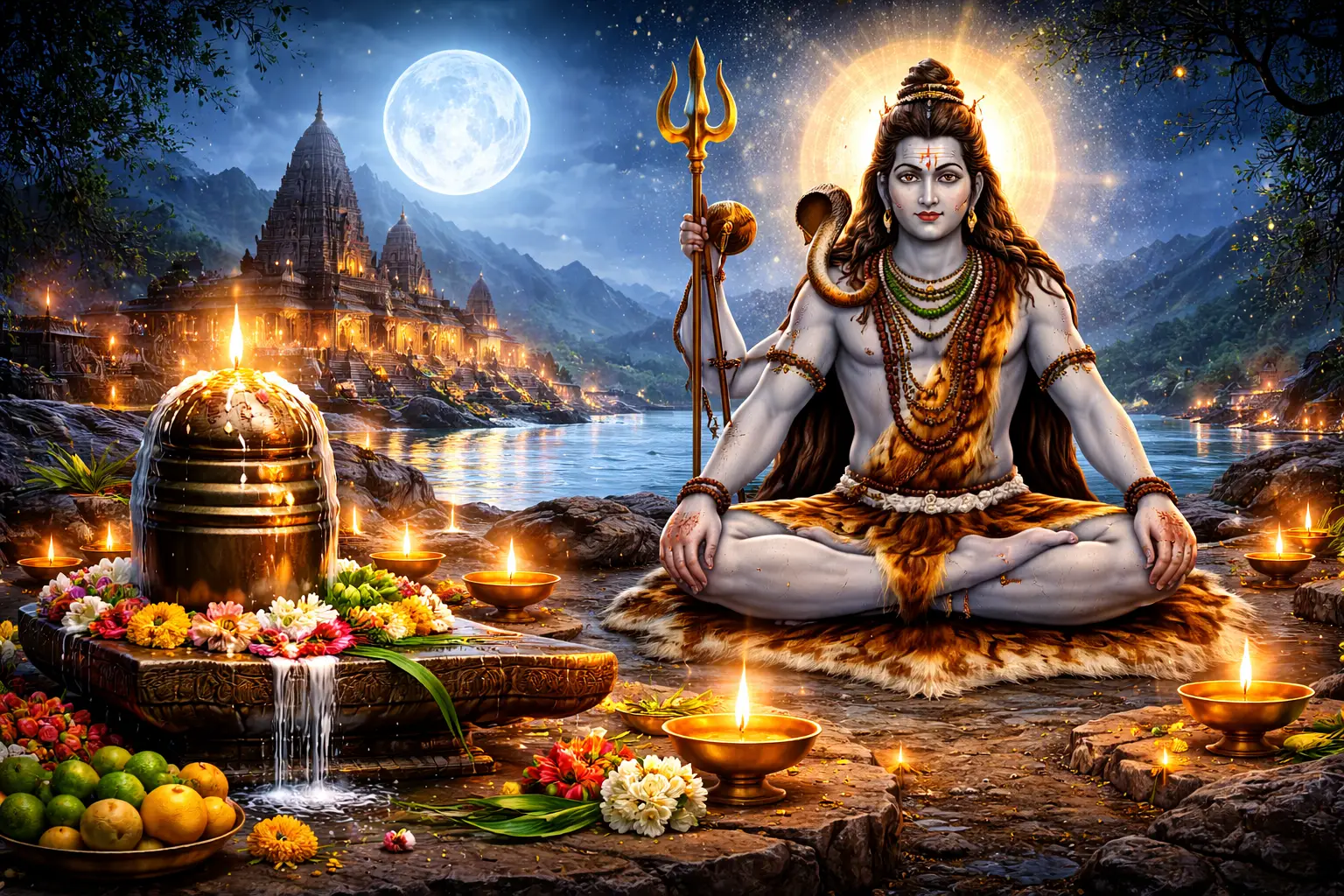
Maha Shivratri 2026
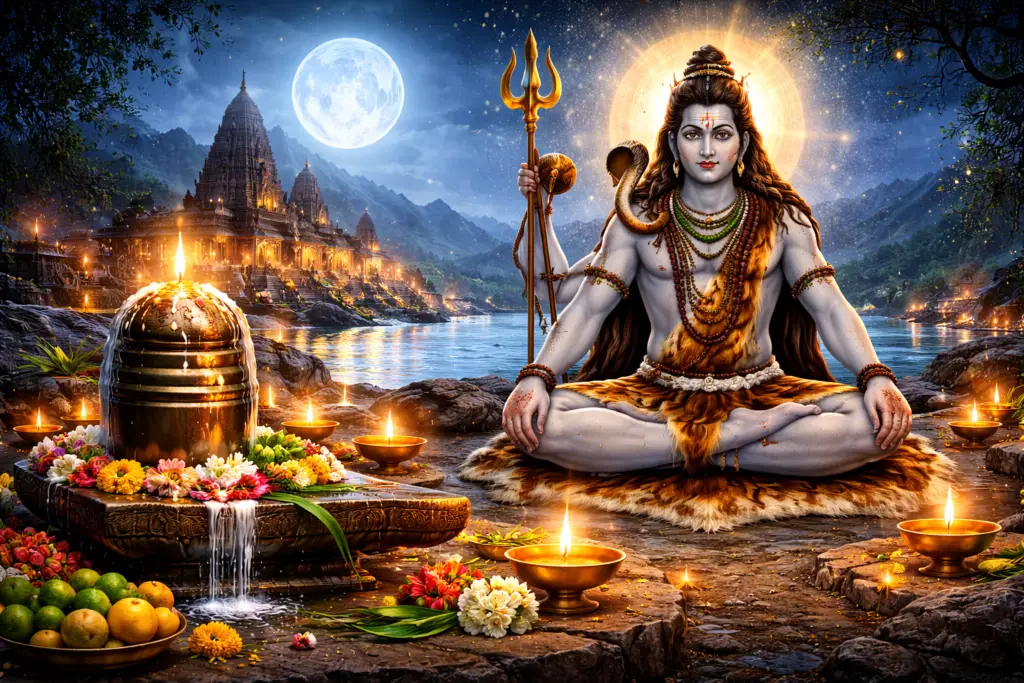
Maha Shivratri is one of the most sacred and widely observed festivals in Hinduism, dedicated to Lord Shiva, the deity symbolising transformation, destruction of evil, and spiritual awakening. Celebrated annually during the Krishna Paksha Chaturdashi (fourteenth day of the dark fortnight) in the Hindu month of Phalguna or Magha, Maha Shivratri holds immense religious and spiritual significance for devotees across India and beyond.
The term Maha Shivratri literally means “The Great Night of Shiva.” Unlike many Hindu festivals that are celebrated during the day with feasting and festivities, Maha Shivratri is primarily observed through night-long worship, fasting, meditation, and prayer. Devotees remain awake throughout the night, chanting sacred mantras such as “Om Namah Shivaya”, performing rituals, and offering prayers to seek blessings for spiritual growth, peace, and liberation.
One of the central rituals of Maha Shivratri is the Abhishekam (ritual bathing) of the Shiva Lingam. Devotees pour sacred substances such as water, milk, honey, curd, ghee, and sugar over the Shiva Lingam while reciting prayers and hymns. Bilva leaves, considered highly sacred to Lord Shiva, are also offered during the worship. These rituals symbolise purification, devotion, and surrender to the divine.
Maha Shivratri is associated with several mythological beliefs. One widely known legend states that this night marks the divine marriage of Lord Shiva and Goddess Parvati, symbolising the union of consciousness and energy. Another story suggests that on this night Lord Shiva performed the cosmic dance known as the Tandava, representing the cycles of creation, preservation, and destruction in the universe.
Fasting is another important aspect of the festival. Devotees observe strict or partial fasts, consuming only fruits, milk, or light foods. The fast is believed to purify both the body and mind, allowing devotees to focus on spiritual practices. Many people visit temples dedicated to Lord Shiva, where special prayers, bhajans, and devotional gatherings are organised throughout the night.
The worship during Maha Shivratri is divided into four Prahars (time intervals) during the night. Each Prahar has its own significance, and devotees perform rituals during these periods to gain spiritual merit. The most sacred period is the Nishita Kaal, considered the ideal time for performing Shiva Puja because it represents the moment of highest spiritual energy during the night.
Below are the important Maha Shivratri timings for 2026, which guide devotees in performing rituals and prayers during the festival.
| Event | Date / Time | Duration |
|---|---|---|
| Festival Date | Sunday, 15 February 2026 | — |
| Nishita Kaal Puja Time | 12:09 AM – 01:01 AM (16 Feb) | 51 Minutes |
| Shivratri Parana Time | 06:59 AM – 03:24 PM (16 Feb) | — |
| Ratri First Prahar Puja | 06:11 PM – 09:23 PM | — |
| Ratri Second Prahar Puja | 09:23 PM – 12:35 AM (16 Feb) | — |
| Ratri Third Prahar Puja | 12:35 AM – 03:47 AM (16 Feb) | — |
| Ratri Fourth Prahar Puja | 03:47 AM – 06:59 AM (16 Feb) | — |
| Chaturdashi Tithi Begins | 05:04 PM, 15 Feb 2026 | — |
| Chaturdashi Tithi Ends | 05:34 PM, 16 Feb 2026 | — |
The night-long vigil and prayers during Maha Shivratri symbolise the victory of knowledge over ignorance and consciousness over darkness. Devotees believe that sincere worship on this sacred night can cleanse past sins, remove obstacles, and lead to spiritual liberation (moksha).
Beyond its religious importance, Maha Shivratri also emphasises the values of discipline, devotion, and inner reflection. The festival reminds people to focus on self-control, meditation, and spiritual awareness in their daily lives. By observing the sacred rituals and meditating on Lord Shiva, devotees seek inner peace, strength, and divine blessings for a harmonious life.